History of Mesquite
Mesquite wood carries a long, rich history throughout Texas and Mexico, where it has served as everything from firewood to fine craftsmanship for generations. In its transformation from rustic fuel to refined furniture, Mesquite has earned a reputation as one of the most beautiful and valuable hardwoods of the region. Its dense structure—averaging about 45 pounds per square foot when dry—gives it exceptional durability and stability, allowing it to last a lifetime. Each log reveals its own story through natural grain variations, warm tones, and organic markings, making every finished piece truly one of a kind.
Part of Mesquite’s charm lies in its perfectly imperfect character. Larger logs often display authentic features such as bark pockets, ring shake, and resin pockets—natural traits that highlight its wild origins rather than diminish its appeal. These unique details enhance the wood’s rustic elegance and make each piece a genuine work of nature. Highly resistant to decay and movement, Mesquite is ideal for both indoor and outdoor use, offering enduring beauty and strength. From firewood to furniture, it has proven itself to be one of the most versatile and cherished woods of its homeland.
Where Mesquite Grows
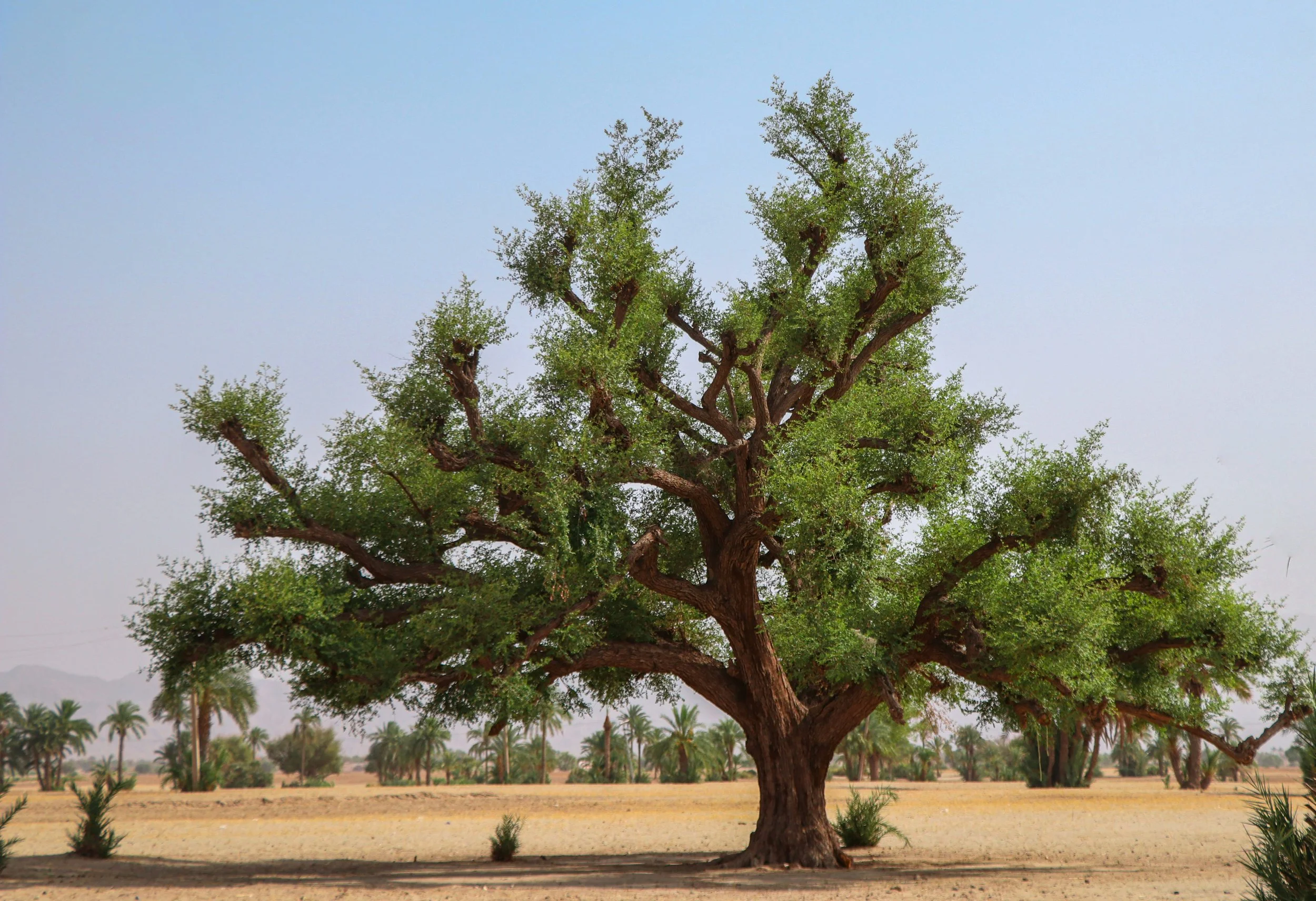
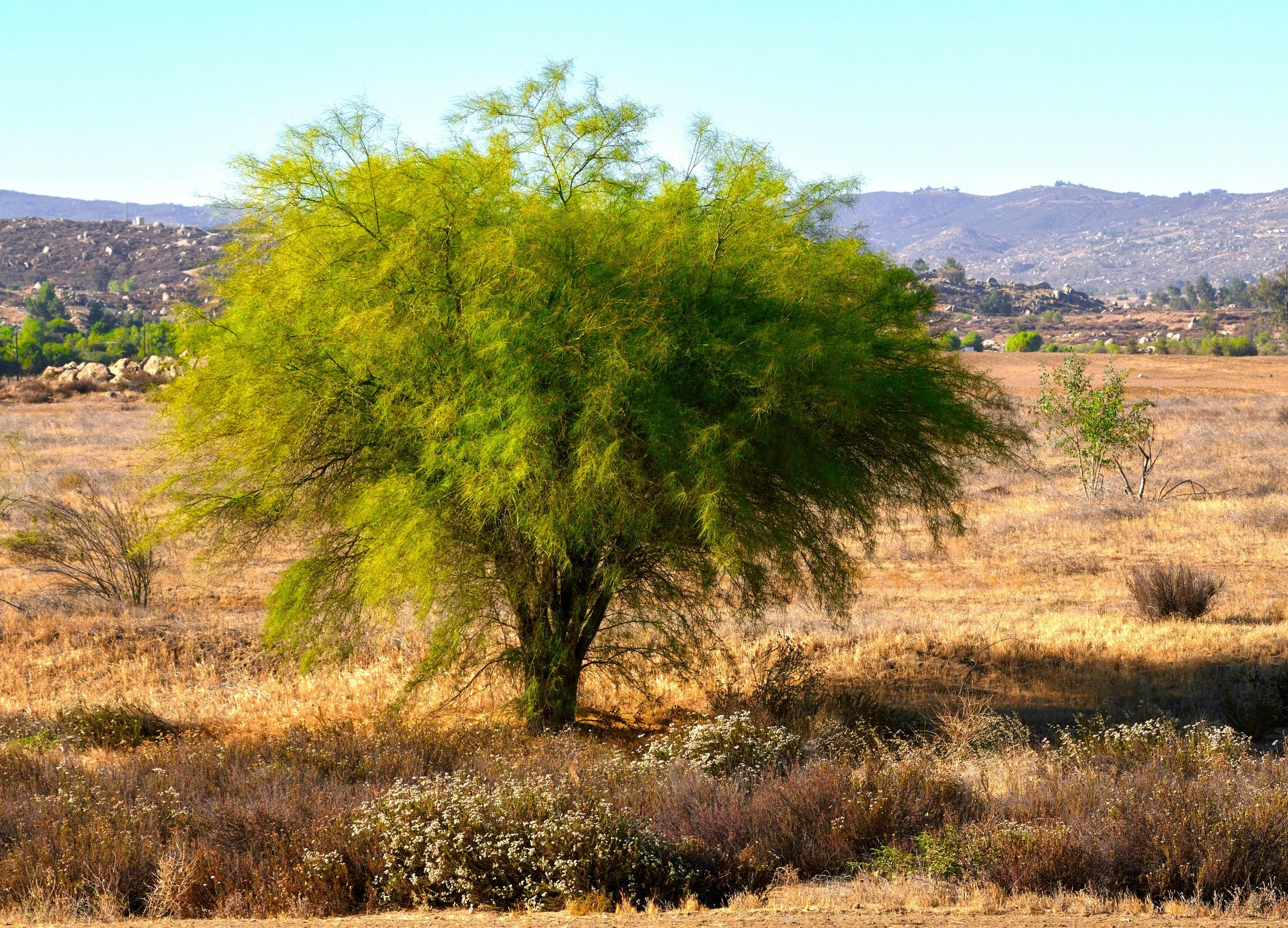
Mesquite trees are native to the Southwestern United States, Northern Mexico, and parts of Central and South America. In the U.S., they are most commonly found in Texas, Arizona, New Mexico, and Oklahoma, thriving in hot, dry climates where many other trees can’t survive.
Finding large, furniture-grade mesquite. Because mesquite trees often grow with twisted trunks and irregular shapes, it can be difficult to source wide, clean slabs suitable for high-quality furniture. This makes premium mesquite wood more valuable and sought after, especially for handcrafted pieces.
How it’s Made
Mesquite wood begins as the dense, slow-growing mesquite tree found throughout the Southwest. Once harvested, the logs are carefully cut, kiln-dried, and cured to remove moisture—an important step that prevents warping and enhances durability. The wood is then shaped, sanded, and finished by skilled craftsmen who bring out its rich grain patterns, deep color, and natural knots. The result is a strong, stable, and beautifully unique material perfect for furniture and woodworking.
Visual Characteristics
Rich, warm tones ranging from golden amber to deep reddish-brown
Distinctive, swirling grain patterns that create natural movement and character
Natural knots and burls that add unique charm and authenticity
Smooth texture with occasional rugged areas for a handcrafted, organic feel
Color variation within a single piece adds depth and visual interest
Durable, dense appearance conveying strength and longevity
Durability
Hardness: Mesquite is one of the hardest domestic woods in the U.S., with a Janka hardness rating of about 2,330 lbf. This makes it significantly harder than oak (1,290 lbf) and hickory (1,820 lbf). Its density makes it extremely resistant to dents and scratches.
Density & Strength: Mesquite is a very dense wood, often weighing 50–65 lbs per cubic foot when dried. Its density contributes to excellent strength and load-bearing capacity, making it ideal for furniture, flooring, and cabinetry.
Wear & Longevity: Due to its hardness and natural oils, mesquite is highly resistant to wear, abrasion, and decay. Well-maintained mesquite furniture can last decades, even generations.
Resistance to Moisture & Pests: Mesquite has good natural resistance to rot and insects, though like all wood, it performs best when properly finished and cared for.
Workability: While extremely durable, mesquite can be challenging to work with due to its density. It requires sharp tools and skill to cut, plane, or shape, which is why handcrafted mesquite pieces are highly valued.
It’s as heavy and strong as hickory — and even harder. The wood is also exceptionally stable, performing reliably both indoors and outdoors.